

Living in New York City looks glamorous online. But what does it actually cost — week to week — to build a life here in your late twenties?
This real-world breakdown explores what two 28-year-olds spend in a single week living in NYC, showing how money actually moves once rent is paid and routines settle in.
If you’re considering a move, budgeting your life here, or just curious how New Yorkers really live, this is the perspective most cost-of-living articles skip.
The Reality of NYC Spending
New York is not expensive in one big way. It’s expensive in dozens of small ways.
Daily food decisions, transit habits, social plans, convenience purchases, and lifestyle choices quietly shape your financial reality more than any single bill. Weekly spending reveals far more about life in New York than monthly averages ever could.
Housing Sets the Baseline
Housing defines everything else. Rent dictates neighborhood, commute time, grocery options, and social proximity. Even when rent is paid monthly, its impact is felt daily.

Most New Yorkers structure their entire lifestyle around rent — what they cook, how often they go out, where they meet friends, and how they move through the city. It is not simply a bill. It is the foundation.
Food Is the Biggest Variable
Food spending is where NYC budgets either thrive or collapse.
In one week alone, food can include:
- Groceries
- Coffee
- Casual lunches
- Dinner out
- Late-night snacks
- Delivery
New York offers infinite access to food — and that access quietly invites spending. The difference between sustainable NYC living and constant financial pressure often comes down to how intentionally food is handled.
Groceries vs Eating Out
Grocery trips look normal on receipts — but eating out compounds quickly.
A single dinner can equal several days of groceries. Yet social life, convenience, and city rhythm constantly pull people toward restaurants. Most New Yorkers learn to balance both: groceries for structure, dining out for experience.
The weekly mix between these two categories usually defines long-term affordability.
Transportation Is Predictable — and Powerful
Unlike most cities, New York transportation costs are relatively fixed.
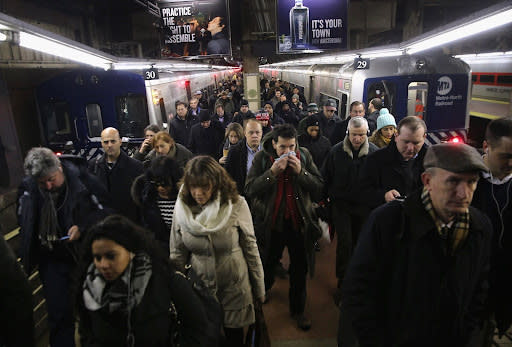
Subway rides, monthly passes, and occasional rideshares create a predictable baseline. But how you use them affects everything: time, energy, neighborhood choice, and social access.
Transportation spending isn’t just financial — it’s lifestyle architecture.
Social Life Is the Silent Expense
Drinks, shows, events, casual meals, tickets, and spontaneous plans add up faster than any spreadsheet expects.
NYC social culture is opportunity-dense. There is always something happening — and every invitation carries a cost. Learning to say yes intentionally instead of automatically is one of the most important financial skills in the city.
Social spending is rarely reckless. It’s simply frequent.
Convenience Costs More Than You Think
New York sells time.
Delivery fees, Ubers, quick lunches, last-minute purchases, laundry services, impulse snacks, and rushed solutions all trade money for convenience. Each one feels small. Together, they shape entire budgets.

Most long-term New Yorkers don’t eliminate convenience. They ration it.
Entertainment Is Where NYC Shines — and Charges
Movies, Broadway, comedy shows, concerts, museums, fitness classes, pop-ups, and nightlife make NYC extraordinary.
They also create steady spending lanes. Entertainment is not occasional here. It is woven into normal life.
Those who thrive financially in NYC don’t avoid entertainment. They curate it.
Weekly Spending Reveals Real Lifestyle Cost
Monthly rent doesn’t show how you live.
Weekly spending shows:
- How often you cook
- How you socialize
- How you move
- How you handle stress
- How you treat convenience
- What you value
This is where New York becomes affordable — or overwhelming.
What This Weekly Breakdown Really Shows
Living in New York at 28 isn’t about luxury.
It’s about trade-offs.
It’s about choosing:
- Neighborhood over space
- Experiences over accumulation
- Access over ownership
- Movement over storage
Money in New York isn’t spent. It’s translated into lifestyle.
Bottom Line
New York doesn’t demand wealth.
It demands awareness.
Weekly spending reveals how the city fits into your life — not just how much it costs.
Understanding that difference is how people stay.
👉 Explore more NYC lifestyle guides, neighborhood breakdowns, cost-of-living resources, and relocation content at NewYork.com