

The 9/11 Memorial Museum is not a traditional museum experience. It is not built for casual browsing, quick visits, or lighthearted exploration. It exists as both a historical institution and a sacred space, preserving the physical remnants, documented events, and personal stories of September 11, 2001.
Located beneath the National September 11 Memorial, the museum occupies the actual ground where the World Trade Center once stood. Every visit is shaped by this reality. You are not stepping into a recreated narrative. You are entering the site itself, where architecture, memory, and history intersect.
What the 9/11 Memorial Museum Is
A Museum Built Into the Site Itself
The 9/11 Memorial Museum is constructed directly within the footprint of the original World Trade Center complex. Visitors descend below street level into spaces that incorporate the actual slurry wall, structural remnants, and foundation elements of the Twin Towers. This placement is not symbolic; it is physical. The building is anchored in the original architecture that once supported the skyline.
Because of this, the museum feels different from the moment you enter. There is a weight to the environment that cannot be replicated elsewhere. You are not viewing history from a distance. You are standing inside it. The space itself becomes an artifact.
The museum’s mission extends beyond education. It exists to document, preserve, and honor. Its exhibitions combine historical record with personal testimony, ensuring the events are understood both factually and humanly. This dual focus makes the museum both an archive and a memorial.
Rather than presenting a detached timeline, the museum situates visitors within the site’s physical reality. The building itself teaches before any exhibit is read. This design choice reinforces the idea that this is not a story that happened somewhere else. It happened here.
The Experience of Entering
Descent, Not an Entrance
Unlike most museums, the 9/11 Memorial Museum is entered by descending. Visitors walk down long ramps that gradually reveal deeper levels of the original site. The city noise fades. The light shifts. The environment becomes quieter and more expansive.
This descent is intentional. It is not just functional architecture. It is emotional architecture. The gradual movement downward creates a psychological transition. Visitors are given time to separate from the pace of New York City before encountering the museum’s most powerful spaces.
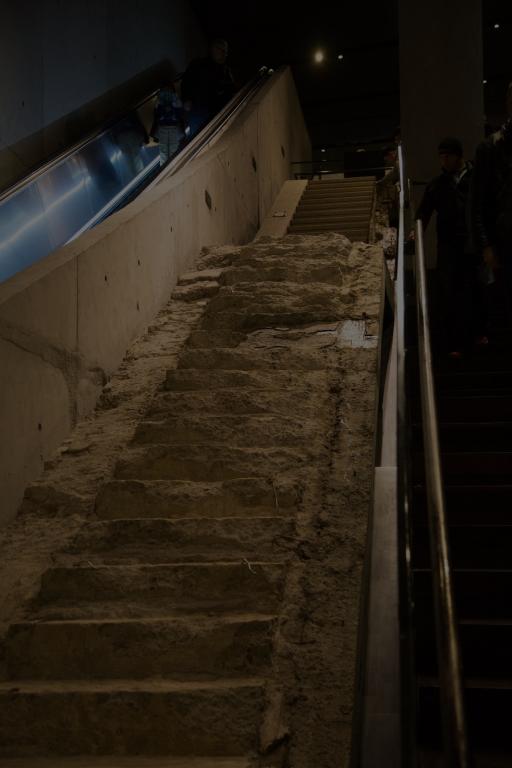
As you descend, remnants of the original World Trade Center structure begin to appear. Massive steel columns, foundation walls, and recovered materials are visible before any formal exhibition begins. The site introduces itself before it explains itself.
By the time visitors reach the main exhibition levels, they are already oriented emotionally. The building has prepared them. This transition shapes the entire visit, ensuring the museum is not approached casually, but consciously.
What You Will See Inside
Artifacts That Carry Weight
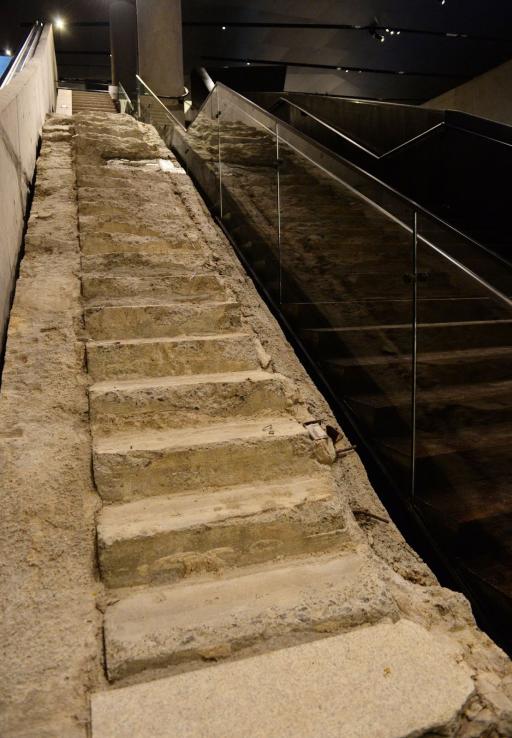
The museum contains thousands of recovered artifacts, many of them large-scale remnants from the collapse. Twisted steel beams, fragments of staircases, damaged vehicles, and portions of antenna towers occupy central spaces. Their size alone communicates the scale of the destruction in ways photographs cannot.
Smaller objects are equally powerful. Personal belongings, wallets, shoes, helmets, and identification cards humanize the event. These items represent ordinary lives interrupted. Their presence transforms abstract loss into individual reality.
These artifacts are not displayed as curiosities. They are contextualized carefully, with emphasis on origin, recovery, and meaning. Each object carries a documented story. Many were recovered during months of cleanup and rescue efforts.
Seeing them in person shifts perspective. What was once distant history becomes tangible. The museum’s artifact-centered approach ensures that the physical consequences of the attacks are never separated from their human impact.
Stories, Not Just Timelines
While the museum provides a detailed historical account of September 11, its core focus is personal narrative. Recorded voices of victims, first responders, and family members are integrated throughout the exhibits. Photographs, voicemails, and testimonies allow visitors to hear directly from those connected to the day.
This storytelling approach prevents the museum from becoming clinical. The events are not reduced to sequences of cause and effect. They are framed through experience. Visitors encounter moments of courage, confusion, fear, sacrifice, and resilience.
Individual lives remain central. The museum highlights workers in the towers, emergency responders who entered them, and families who continue to live with the consequences. These stories ensure the tragedy remains human rather than statistical.
This narrative emphasis also creates emotional pacing. Visitors move between large historical explanations and intimate personal spaces. The museum alternates between collective history and individual memory, reinforcing both.
The Architecture of Memory
Designed to Hold Silence
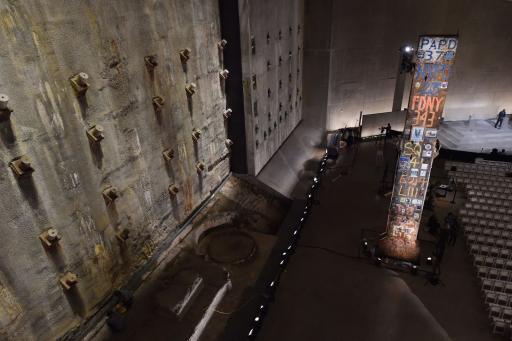
The museum’s architectural language relies on openness, exposed structure, and controlled light. Massive voids allow visitors to see multiple levels of the site at once. Narrow corridors contrast with expansive chambers. The building feels carved rather than constructed.
These design choices slow movement and encourage quiet observation. The museum does not rush visitors from room to room. It allows pauses. It allows distance. It allows stillness. Sound is subdued. Lighting is carefully moderated.
The exposed slurry wall, one of the original retaining walls that held back the Hudson River, stands as both engineering marvel and silent witness. It remains scarred, stained, and intact. Its presence grounds the museum in physical reality.
Architecture here is not decorative. It is narrative. It communicates absence, endurance, and gravity without words. The building does not compete with the exhibits. It supports them.
A Space That Shapes Emotion
Museum architecture always influences emotion, but few places make this influence as intentional as the 9/11 Memorial Museum. Ceiling height creates awe and humility. Narrow spaces create vulnerability. Expansive chambers invite reflection.
The museum avoids spectacle. There are no dramatic visual effects or theatrical installations. Instead, emotional response emerges from scale, material, and proximity. Visitors feel small beside steel columns. They feel quiet beside names and photographs.
This restraint ensures the museum remains dignified. The architecture does not instruct visitors how to feel. It gives them the environment to feel.
In this way, the building becomes part of the memorial. It holds memory rather than displays it.
Emotional Reality of the Visit
This Is Not a Light Experience
The 9/11 Memorial Museum is emotionally demanding. Many visitors experience sadness, shock, or heaviness. Others feel quiet reflection or disorientation. These reactions are common and valid.
The museum contains difficult imagery, recorded final messages, and firsthand accounts of trauma. Visitors should be prepared for this intensity. It is not designed to comfort. It is designed to preserve truth.
For many, the visit surfaces memories. For others, it introduces realities they had not fully understood. Both experiences can be profound. Allowing yourself to move slowly and take breaks is important.
The museum does not rush its content. Visitors should not rush themselves.
Give Yourself Space After
Because of the emotional weight of the museum, many visitors benefit from unscheduled time afterward. Sitting at the memorial pools, walking through Lower Manhattan, or simply pausing can help process the experience.
Scheduling something celebratory or crowded immediately afterward often feels jarring. The museum lingers. It stays with people.
Recognizing this ahead of time helps visitors approach the day thoughtfully. The visit becomes part of a broader reflective experience rather than a single activity.
In this way, the museum extends beyond its walls. Its impact continues into the city.
The Memorial Above
Where Reflection Continues
Above the museum are the two massive reflecting pools set within the footprints of the Twin Towers. Water cascades continuously into central voids, creating a visual and auditory environment of movement and absence.
The names of nearly 3,000 victims from the World Trade Center, Pentagon, and Flight 93 are engraved around the pools. They are arranged by meaningful relationships rather than alphabetically, placing colleagues, friends, and families near one another.
This design emphasizes connection. It reminds visitors that every name belonged to a life embedded in others.
Many people find the memorial plaza as emotionally powerful as the museum. It provides space for quiet reflection, public remembrance, and collective presence.
A Public Space of Remembrance
Unlike the museum, the memorial is open and accessible to all. Office workers, tourists, families, and locals move through it daily. This coexistence is intentional.
The memorial integrates remembrance into the everyday life of the city. It ensures that memory is not confined to a building but remains part of the urban landscape.
In doing so, it reflects New York itself — a city that carries history while continuing forward.
How to Visit Thoughtfully
Enter With Intention
Visiting the 9/11 Memorial Museum benefits from mental preparation. Understanding that this is a place of remembrance rather than entertainment shapes behavior, expectations, and pacing.
Quiet conversation, slow movement, and awareness of others are essential. The museum is shared emotional space. Respect for that space enhances everyone’s experience.
Reading a brief overview before visiting can also help. Context deepens comprehension and reduces emotional shock.
The more intentionally visitors enter, the more meaningful the visit becomes.
Plan for Time, Not Just Entry
A meaningful visit often takes several hours. Rushing undermines both understanding and emotional processing. The museum’s layout is extensive and layered.
Planning your day to allow unstructured time afterward is just as important as reserving tickets. The experience deserves space.
This approach turns the visit into a reflective journey rather than a scheduled stop.
Why This Place Matters in New York City
A Space of Collective Memory
New York City is defined by movement, growth, and reinvention. The 9/11 Memorial Museum anchors that motion. It holds space for what cannot move forward without being remembered.
It preserves not only what happened, but how it changed the city, the country, and countless individual lives. It ensures that memory remains part of New York’s identity.
This role makes it one of the most important cultural institutions in the city.
History That Continues to Speak
The museum is not frozen. It continues to collect stories, artifacts, and testimonies. As generations pass, it becomes increasingly important as a place of transmission.
For visitors who lived through the day, it offers recognition. For those who did not, it offers understanding.
In both cases, it ensures that the events of September 11 remain human, not distant.
Bottom Line
The 9/11 Memorial Museum is not about tragedy alone.
It is about memory, responsibility, and human presence.
It is one of the most meaningful places in New York City.
👉 Explore historical guides, cultural institutions, and thoughtful NYC experiences at NewYork.com