

With the 2026 FIFA World Cup approaching, preparation efforts across the New York metropolitan area are already well underway. While most people associate the event with packed stadiums and global broadcasts, what’s happening behind the scenes is just as important. Hosting an event of this scale requires years of coordination, planning, and infrastructure adjustments, many of which begin long before fans ever arrive.
The early preparations offer a first real look at how the region is getting ready to handle one of the largest sporting events in history. From stadium upgrades to transportation planning, every detail is being evaluated to ensure the experience runs smoothly. For NYC, this is not just about hosting games — it’s about managing a global event that will impact the entire city.
MetLife Stadium
MetLife Stadium is at the center of these preparations, as it will host the World Cup Final, making it one of the most important venues in the entire tournament. Located just outside Manhattan in New Jersey, the stadium is already one of the largest in the country, but hosting a World Cup requires additional upgrades and adjustments. These include improvements to seating, media facilities, and security infrastructure to meet FIFA’s global standards.
Beyond the stadium itself, the surrounding area is also being evaluated. Access points, crowd flow, and transportation routes all need to be optimized for the volume of visitors expected. Even though the venue already hosts major events, the World Cup operates on an entirely different scale, requiring a higher level of preparation.
The Scale of What’s Being Planned
One of the most important things to understand about the 2026 World Cup is its size. With more teams, more matches, and multiple host countries, this will be the largest tournament FIFA has ever organized. That scale affects every part of the planning process, from logistics to security to fan experience.

For the NYC region, this means preparing not just for individual games, but for sustained activity over several weeks. Hotels, restaurants, transportation systems, and public spaces all need to handle increased demand. The preparation is not limited to one location — it extends across the entire metropolitan area.
Transportation and Infrastructure Adjustments
Transportation is one of the most critical components of the preparation process. With thousands of fans expected to travel between NYC and MetLife Stadium on match days, regional transit systems will need to operate at a much higher capacity. This includes trains, buses, and other forms of public transportation that connect the city to the stadium.
Planning for this begins well in advance. Officials are analyzing traffic patterns, identifying potential bottlenecks, and working on solutions to manage crowd movement efficiently. The goal is to minimize delays while ensuring that fans can move between locations safely and reliably.
Security and Crowd Management
Large-scale events like the World Cup require extensive security planning, and this is already a major focus of preparations. Coordinating security across multiple jurisdictions — including NYC and New Jersey — adds an additional layer of complexity. Authorities need to ensure that both the stadium and surrounding areas are prepared for large crowds.
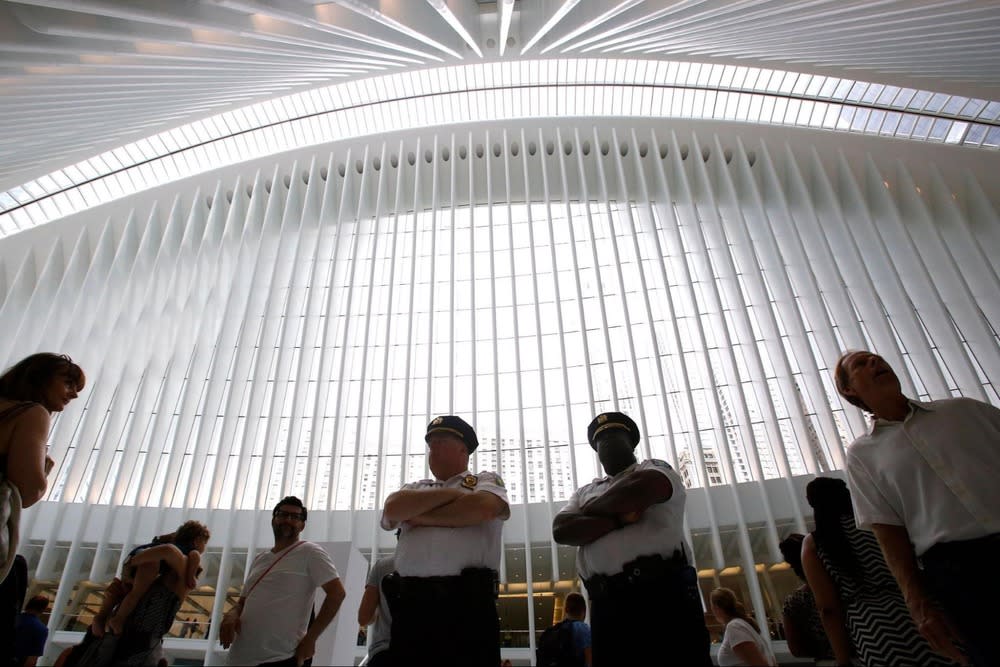
This includes everything from entry points and screening procedures to emergency response planning. While much of this work happens behind the scenes, it plays a critical role in shaping the overall experience. Effective security planning allows the event to run smoothly without disrupting the atmosphere.
Fan Zones and Citywide Experience
In addition to the matches themselves, NYC is expected to host multiple fan zones and public viewing areas. These spaces will allow fans to gather, watch games, and participate in the World Cup experience even if they don’t have tickets. Setting up these areas requires coordination around location, capacity, and infrastructure.
These fan zones will likely become some of the most active areas in the city during the tournament. They extend the event beyond the stadium, turning NYC into part of the overall experience. For many visitors, these spaces will be just as memorable as attending a match.
The Role of NYC in a Multi-Country Tournament
Even though the World Cup is spread across the United States, Canada, and Mexico, NYC plays a central role because of its global visibility and infrastructure. Hosting the final places the region at the center of the tournament’s narrative. This creates both opportunity and responsibility.
The city must not only accommodate visitors, but also represent the tournament on a global stage. Preparations reflect this dual role, balancing logistics with presentation. NYC is not just a host — it’s a focal point.
What This Means for Visitors
For visitors planning to attend the World Cup, these preparations highlight the importance of planning ahead. Increased demand will affect everything from hotel availability to transportation timing. Understanding how the city is preparing helps visitors anticipate what to expect.
It also creates opportunities. Being in NYC during the World Cup offers access to a unique atmosphere that goes beyond the matches themselves. The city becomes part of the event, offering experiences that extend across multiple locations.
Bottom Line
The early preparations for the 2026 FIFA World Cup provide a clear indication of how significant this event will be for NYC and the surrounding region. From stadium upgrades to transportation planning, the groundwork being laid now will shape the experience for millions of visitors.
By the time the tournament begins, these efforts will come together to create something much larger than a series of games — a fully integrated, citywide experience.