

New York City doesn't function like most cities. It doesn't have a single downtown, a unified identity, or one dominant culture. Instead, it operates as five semi-independent worlds stitched together by infrastructure, politics, and shared ambition.
Those worlds — Manhattan, Brooklyn, Queens, the Bronx, and Staten Island — are not arbitrary divisions. They exist because New York grew too large, too fast, and too unevenly to function as a single entity. The borough system was not just an administrative solution. It was a compromise that allowed New York to become a global city without tearing itself apart.
Before the Boroughs: Five Separate Places
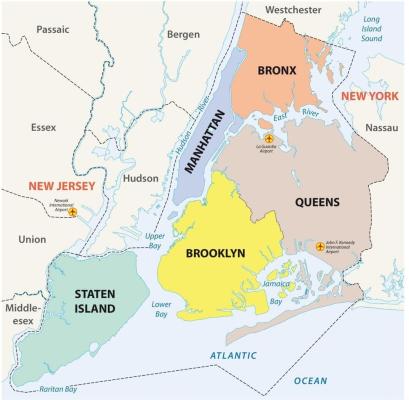
Before 1898, New York City did not exist as we know it today. What we now call the boroughs were independent cities, towns, and counties, each with its own government, economy, and identity.
Manhattan was already the economic engine, driven by ports, finance, and commerce. Brooklyn, meanwhile, was the fourth-largest city in the United States, proud of its independence and skeptical of Manhattan's dominance. Queens and the Bronx were more rural and industrial, while Staten Island functioned largely as a maritime and suburban outpost.
These places were neighbors — but not allies.
The Problem Manhattan Couldn't Solve Alone
By the late 19th century, Manhattan was running out of space. Population density soared. Infrastructure struggled to keep up. Clean water, transportation, waste management, and housing were reaching crisis levels.
Manhattan's leaders realized something critical: the city could not continue to grow without controlling the land and resources around it. Expansion wasn't optional — it was necessary for survival.
But annexation was politically explosive.
The Idea of “Greater New York”
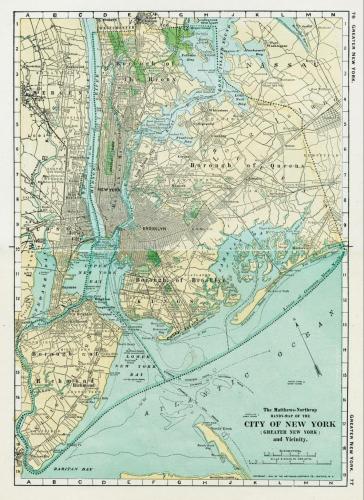
The solution proposed was consolidation — the creation of Greater New York, a single city spanning multiple counties and municipalities. This would allow centralized planning for infrastructure, transit, ports, and public services.
Supporters argued consolidation would:
- Improve transportation networks
- Standardize services
- Strengthen economic power
- Allow coordinated growth
Opponents feared:
- Loss of local control
- Manhattan dominance
- Higher taxes
- Cultural erasure
Both sides were right.
Brooklyn's Resistance — and Reluctant Defeat
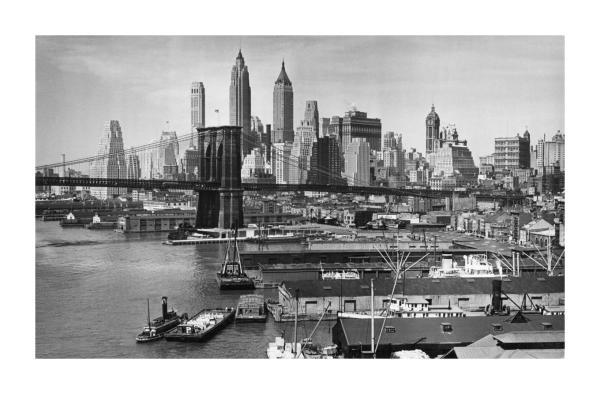
No place resisted consolidation more fiercely than Brooklyn. It was wealthy, culturally distinct, and growing rapidly. Many Brooklynites viewed Manhattan as arrogant and predatory.
The vote to join Greater New York passed in Brooklyn by an extremely narrow margin, leaving lingering resentment that still echoes today. The borough identity became a way to preserve local pride within a larger system.
Brooklyn didn't want to become a neighborhood.
It wanted to remain a city.
Why Boroughs Were the Compromise
Rather than fully absorbing surrounding cities into Manhattan, planners created boroughs, each aligned with a county and granted local governance powers.
This structure allowed:
- Citywide leadership through a mayor
- Local administration through borough presidents
- Shared infrastructure with regional autonomy
Boroughs weren't just geographic divisions. They were political safeguards.
Geography Made the Decision Inevitable
New York's geography reinforced the borough system. Water separated communities. Rivers, bays, and islands made centralized governance impractical without local administration.
Each borough developed its own relationship to the city:
- Manhattan as the core
- Brooklyn as a parallel city
- Queens as a gateway
- The Bronx as industrial and residential
- Staten Island as suburban and maritime
Geography shaped identity — and governance followed.
How Borough Identity Became Culture
Over time, boroughs stopped being just administrative units. They became cultural identities. Accents, sports loyalties, food scenes, and attitudes diverged.
A New Yorker doesn't just say they're from the city.
They say which borough.
That distinction reflects pride, rivalry, and belonging — all enabled by the borough system.
Infrastructure Bound the Boroughs Together
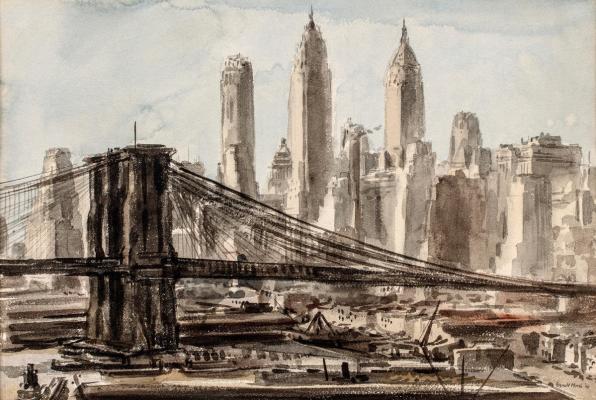
Bridges, tunnels, ferries, and subways turned five separate places into one city. The borough system allowed infrastructure to scale without erasing local character.
The Brooklyn Bridge, subway expansion, and regional ports were possible because consolidation enabled coordination across borough lines.
Without boroughs, the city would have fractured under its own growth.
Borough Power Isn't Equal — and Never Was
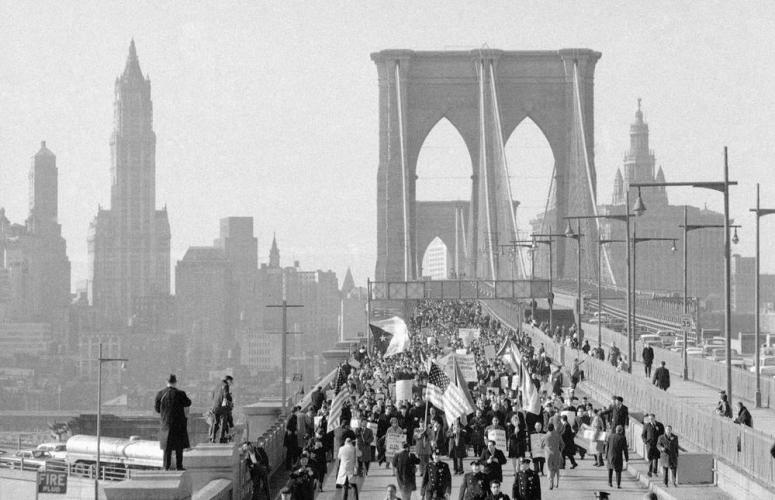
While boroughs preserved identity, power remained uneven. Manhattan retained economic dominance. Outer boroughs fought for investment and attention.
This imbalance shaped housing policy, transit expansion, and political movements for decades — and continues to influence debates today.
Boroughs unified the city — but didn't equalize it.
Staten Island: The Outlier
Staten Island's separation by water reinforced its distinct identity. Its residents have periodically questioned whether consolidation benefited them at all.
The borough system allows Staten Island to exist within New York — while still feeling apart from it.
That tension is part of the design.
Why New York Didn't Become One Giant City
Without boroughs, New York might have fractured into competing regions or stagnated under centralized control. The borough system allowed controlled unity — enough cohesion to function, enough separation to breathe.
Few cities attempt this scale of governance. Fewer succeed.
Why the Borough System Still Matters
Today, boroughs shape:
- Political representation
- Housing policy
- Transit planning
- Cultural identity
- Economic development
They explain why New York feels plural rather than singular — and why that complexity is its strength.
Bottom Line
New York City is split into boroughs because it had to be.
The borough system allowed five very different places to grow into one city without losing themselves entirely. It preserved identity while enabling scale — a compromise that turned New York into something no other city could replicate.
New York isn't one city.
It's five — working together, arguing constantly, and moving forward anyway.
👉 Explore more deep NYC explainers, history features, and urban systems stories on NewYork.com